Power Purchase Agreement (PPA) – Frequently Asked Questions (FAQ)
What is a Power Purchase Agreement (PPA)?
A Power Purchase Agreement (PPA) is a type of Solar as a Service and Third-Party Ownership (TPO) model. Under a PPA, a solar provider installs and owns the solar system on your property, and you agree to purchase the electricity it produces at a predetermined rate per kilowatt-hour (kWh), usually lower than your utility rate.
Do I need to pay anything upfront with a PPA?
In most cases, no upfront payment is required. PPA programs are designed to eliminate installation costs, making solar accessible without large initial investments.
Who owns the solar system in a PPA?
The third-party provider owns the solar system for the duration of the agreement. This means they are responsible for system performance, maintenance, monitoring, and repairs.
What happens if the solar system under-produces?
Most PPA agreements include a production guarantee. If the system produces less energy than promised due to provider-related issues, the provider compensates you or pays a penalty, as outlined in your agreement.
What if the system produces more energy than promised?
If the system over-produces, any excess kilowatt-hours beyond the guaranteed amount are typically provided to you at no additional cost, based on your contract terms.
Who is responsible for maintenance and repairs?
Under a PPA, maintenance, monitoring, and repairs are fully handled by the provider for the entire term of the agreement. This includes equipment servicing and performance optimization.
Is my roof protected under a PPA?
Most Solar as a Service programs include roof penetration protection and workmanship-related warranties for areas affected by the installation. Coverage terms may vary by program and state.
Will my PPA electricity rate increase over time?
Many PPA programs include a low annual escalator or fixed-rate pricing, which is typically much lower than historical utility rate increases. This helps protect homeowners from long-term electricity price volatility.
Can I buy the solar system later?
Yes. Many PPA agreements include a purchase option after year five. Because the system has already depreciated, the buyout price is often lower than the original installation cost.
What happens if I sell my home?
If you sell your home, the PPA can typically be:
- Transferred to the new homeowner (subject to approval), or
- Bought out as part of the home sale
Sunguru Energy helps homeowners understand transfer and buyout options before signing.
Does a PPA affect my ability to qualify for incentives?
Under a PPA, the system owner (provider) typically claims available tax credits and incentives. These benefits are often reflected in lower energy pricing for the homeowner.
Is a PPA better than owning solar?
It depends on your goals. A PPA is ideal for homeowners who want:
- No upfront cost
- Minimal responsibility
- Predictable energy pricing
- Performance protection
Ownership may be better for homeowners seeking maximum long-term ROI and direct access to tax incentives.
How does Sunguru Energy help with PPAs?
Sunguru Energy helps homeowners:
- Compare PPA programs and pricing
- Review agreement terms and escalators
- Analyze utility bills and savings potential
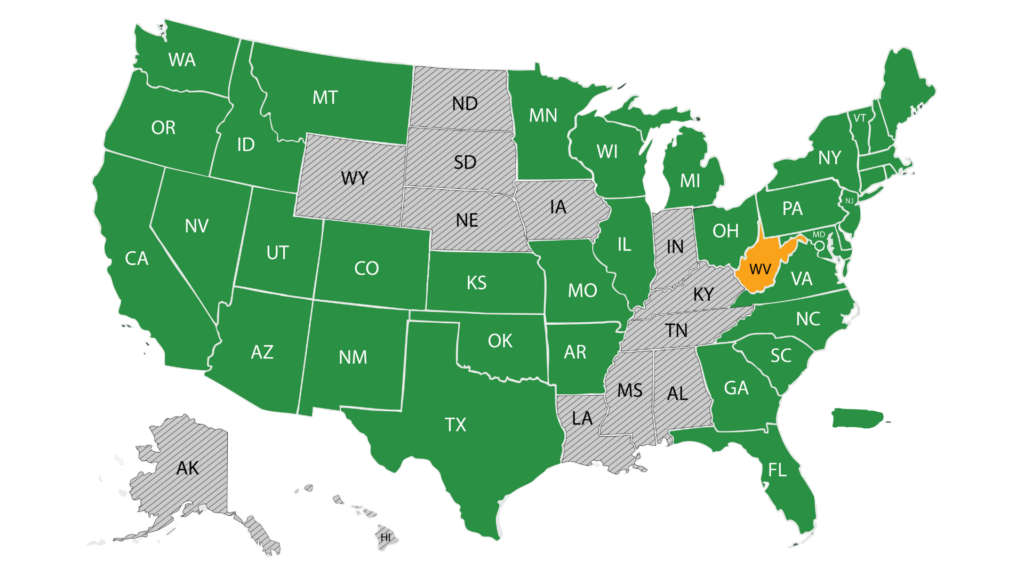
- Verify state and utility eligibility
- Choose the best long-term solar solution